From a community of builders to a company that ships
Bearacle·Community·Branding·Live
A community of builders I turned into an official company, so the apps we make can reach the public. Seven products across iOS, Android, and web — each one built to solve a real problem, not to chase a trend.
Community of developers, designers & problem-solvers
Tools
Figma
Expo (React Native)
Next.js
Supabase
Timeline
Apr 2026 → Ongoing
iOS · Android · Web
Overview
A community of people building useful apps and helping each other ship — with no official way to publish them, support real users, or put them in front of the public.
From a community of builders to a company that ships
Bearacle started as a community — people who liked building things and helping each other ship them. Good apps kept coming out of it, but they had nowhere to live: no entity to publish under, no shared brand, no way to support real users. In 2026 I made it official — a name, an LLC, and a bear in a suit — so what we build could actually reach the public. The brief: keep the community's energy, add the structure of a company. That meant ruthless prioritization (three filters: can it ship in months, does it solve a real problem, will anyone pay), one shared design standard, and a release pipeline that carries any product from Figma to the App Store.
Challenge
Communities are great at starting things and bad at finishing them. The challenge was structural: give a loose group of builders the rails of a product company — strategy, design standards, QA, store review, marketing, support — without turning it into bureaucracy. That meant a repeatable pipeline where each product reuses the last one's decisions (stack, design patterns, release process), so every new app ships faster than the one before, and quality never drops to 'side project' level — enterprise standards, community scale.
My role: Founder · Product & Design Lead · Direction
Made the community official — company, brand, strategy, shared design standard, and release process — and lead product and design across every app.
Turning the community into a company — entity, structure & brand
Brand & identity — the bear in a suit
Product strategy & portfolio prioritization
UX/UI design direction across every product
Marketing site, store submissions & releases
The blog — building in public
Deliverables
Strategy
Community → Company Structure
Strategy & Positioning
Portfolio Prioritization
Brand & Identity
Go-to-Market per Product
Build-in-Public Content
Design
Identity & Brand System
Marketing Site & Landing Pages
Product Design — 7 apps
App Store & Play Store Assets
Blog & Editorial Design
7Products in flight
4Live today
2026Made official
iOS · Android · WebPlatforms
Impact
Seven products in flight, four live — Pocket ID on the App Store, Vibeshift on Google Play, Fuel Meter and Deutsch Dojo in users' hands.
Four products live in users' hands within the first year as a company — across both app stores and the web.
A reusable product pipeline: shared stack, shared design patterns, shared release process across all seven products.
A brand that carries — the bear works from a 16px favicon to the blog's voice.
Survived real store review cycles — including a rejection that turned out to be a fair question.
Process
How I approached it, step by step.
01
Three filters before a single pixel
The community never lacked ideas — it lacked a filter. Every idea now passes three questions: can we ship it in months, not years? Does it solve a problem someone actually has this week? Would anyone pay — or is it a toy? The old folder of half-finished apps existed because nothing had ever been filtered. The company exists because now everything is.
02
One stack, many products
Expo + React Native for mobile, Next.js for web, Supabase for the backend — every product, no exceptions. Boring consistency is the superpower: each app inherits auth, storage, and release tooling from the previous one, anyone in the community can pick up any codebase, and product #5 ships in a fraction of the time product #1 took.
03
Design-led, AI-accelerated
I own the design standard and design the products personally — that's Bearacle's edge. Community members and contracted engineers carry the builds; AI handles the acceleration: code generation, content drafts, prototyping. I treat it like a fast junior — useful, quick, occasionally wrong, always reviewed.
04
Building in public
The blog documents everything — store rejections, launch numbers, what got cut and why. It keeps the community honest, gives each product a launch audience, and turns process into marketing without pretending everything works on the first try.
Decisions
Every design is a set of choices. These were the big ones.
05
Trade-offs I made
The options I weighed, and why I chose what I did.
Decision 01
Make it an official company
✕
Stay an informal communityConsidered instead
Why: A group chat can't publish to the App Store, sign partnerships, or support real users. Going official is what turned good ideas into products the public can actually download — and gave everyone involved something real to put their name on.
Decision 02
A portfolio of seven small, focused products
✕
One flagship product, all-inConsidered instead
Why: A small team betting everything on one app is a coin flip. A portfolio compounds: shared infrastructure, cross-promotion, and the freedom to let winners emerge from real usage instead of conviction.
Decision 03
One boring stack for everything
✕
Best tool for each job — new stack per productConsidered instead
Why: Novel stacks are a tax paid by future products. Expo + Next.js + Supabase everywhere means every solved problem stays solved.
Decision 04
Building in public from day one
✕
Stealth mode until products are polishedConsidered instead
Why: The blog costs a few hours per post and produces launch audiences, accountability, and trust. Stealth produces nothing until it produces everything — bad odds for a small team.
Design
The shipped screens, and what changed.
06
Screens
A closer look at the final design.
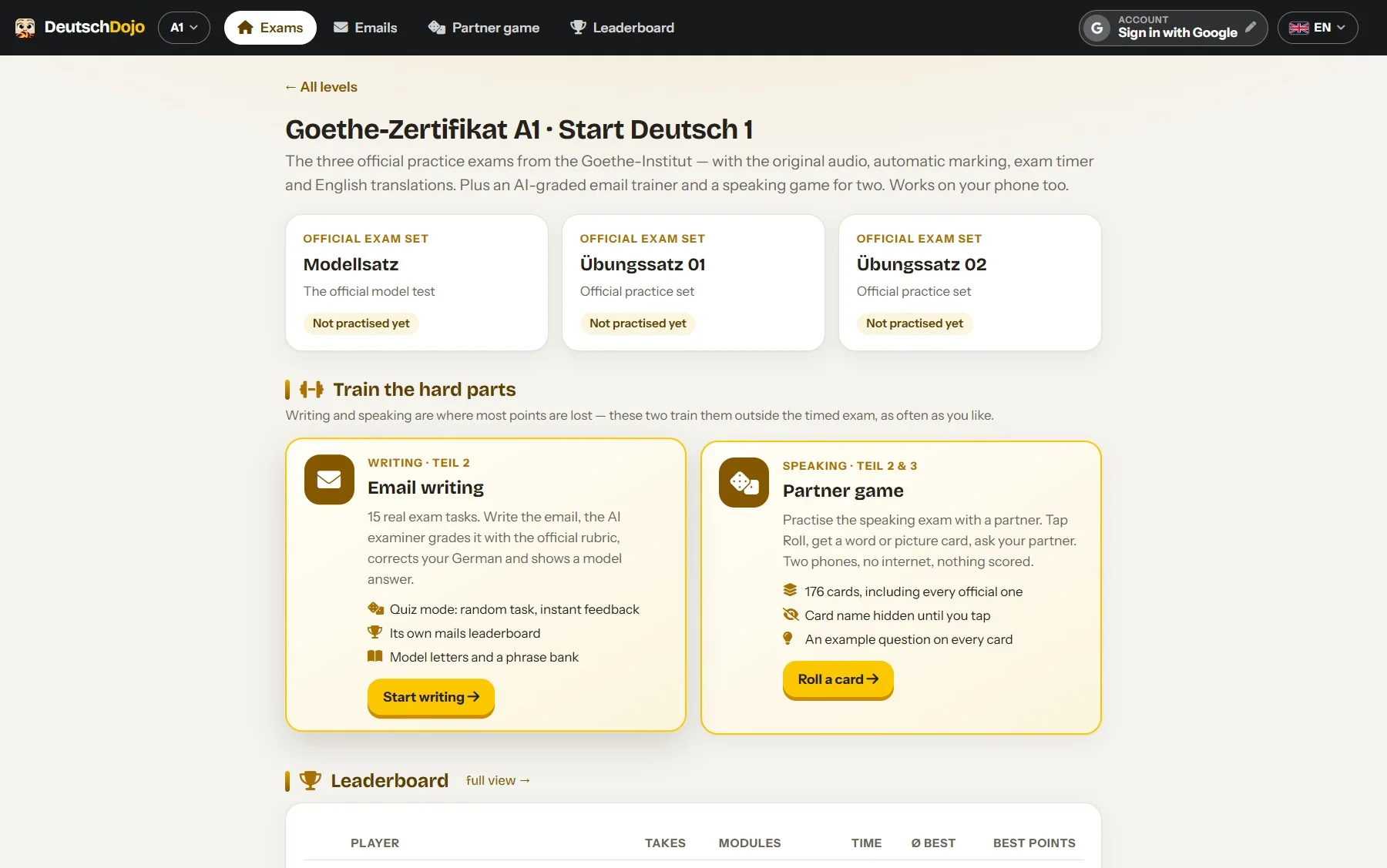
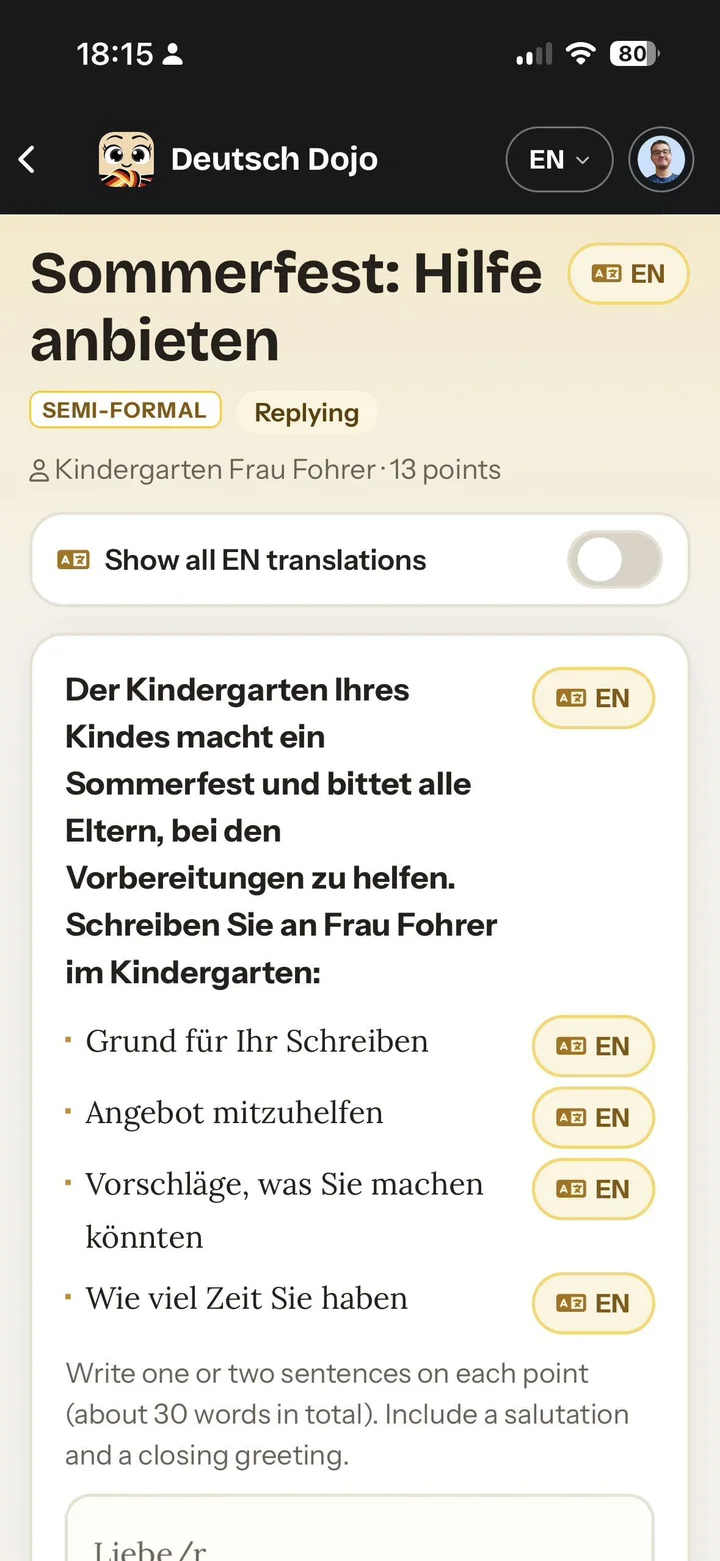
Deutsch Dojo — the web trainer for the Goethe-Zertifikat exam
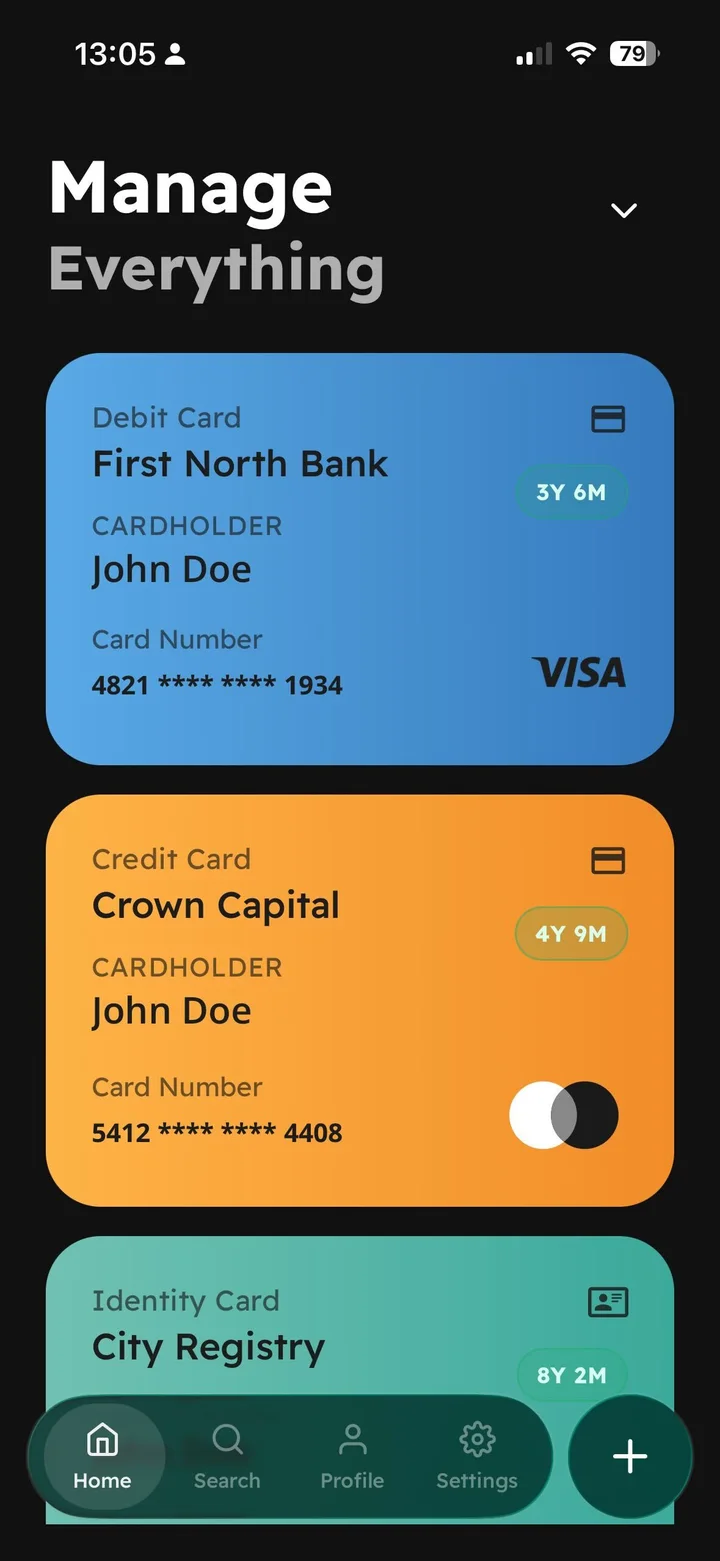
Pocket ID — your digital identity, live on the App Store
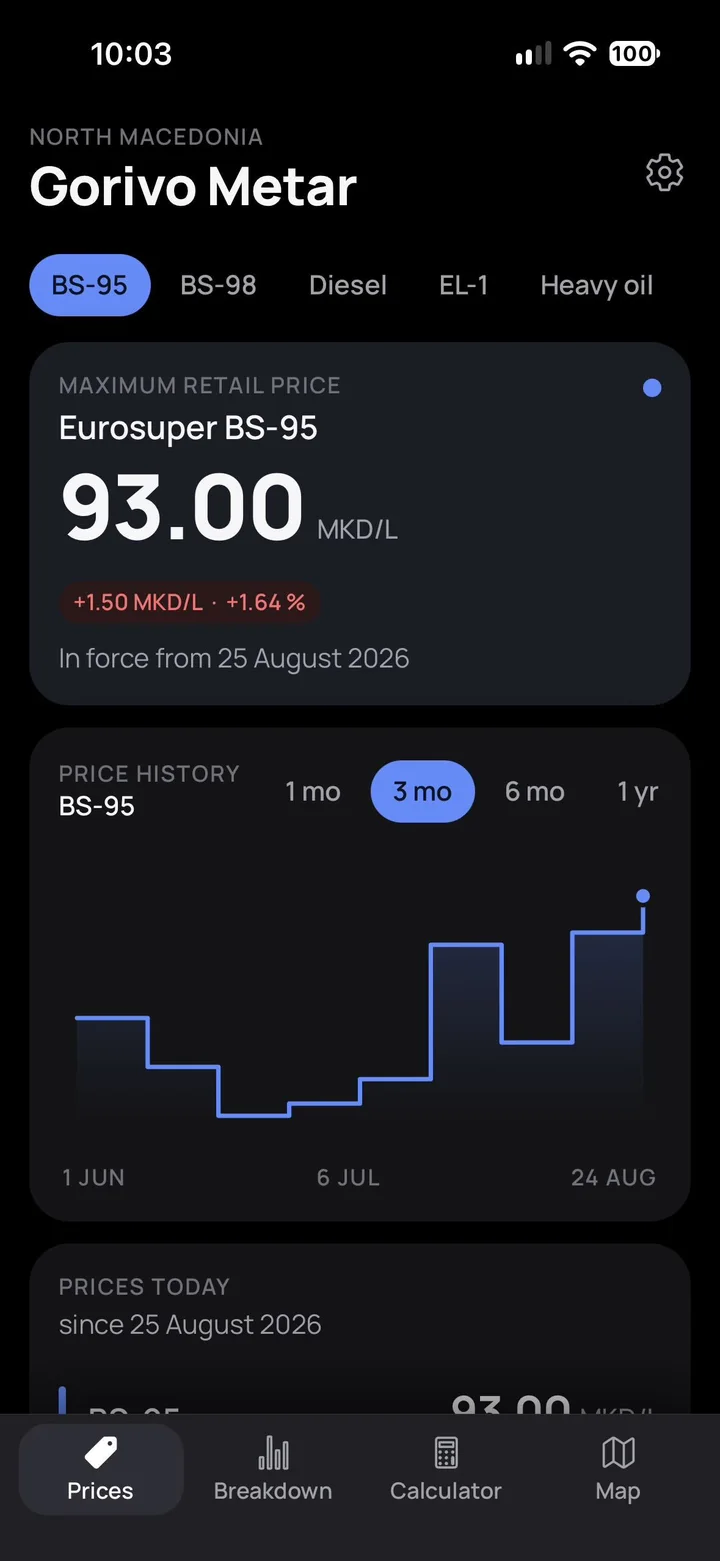
Гориво Метар — every regulated fuel price in North Macedonia
Deutsch Dojo mobile — daily German practice
Reflection
One year after going official: Pocket ID live on the App Store, Vibeshift live on Google Play and in Early Access with companies, Гориво Метар (Fuel Meter) live in North Macedonia, Deutsch Dojo live on web with its Goethe exam trainer — and Clear Roam, Noted, and Gotta Go in active development. One brand, one design standard, and a community that now finishes what it starts.
07
Key learnings
Lesson 01
Structure doesn't kill a community's energy — it gives it somewhere to go.
Lesson 02
Shipping is a muscle. The first product took months of hesitation; the fourth took weeks of work.
Lesson 03
Portfolio pressure beats perfectionism — when three other products are waiting, 'good enough to ship' finally gets an honest definition.
Lesson 04
A shared brand buys each product instant credibility that a standalone app icon never gets.
08
Looking back
Bearacle is the case study under every other case study — proof that the design opinions on this site survive contact with real users, real store reviews, and real costs. My role shifted from designing apps to building the environment where good apps get finished. The honest lesson of year one: distribution is harder than building. The next year is about making fewer things and marketing them better. The bear stays.