1:1 critique-first model
Why: Students learn faster from feedback on their actual work than from generic curriculum. Theory is everywhere; an experienced eye on your specific portfolio is what's scarce.
Mentoring aspiring designers at Brainster's UX/UI Academy — design critique, portfolio development, and career guidance grounded in real-world product standards.
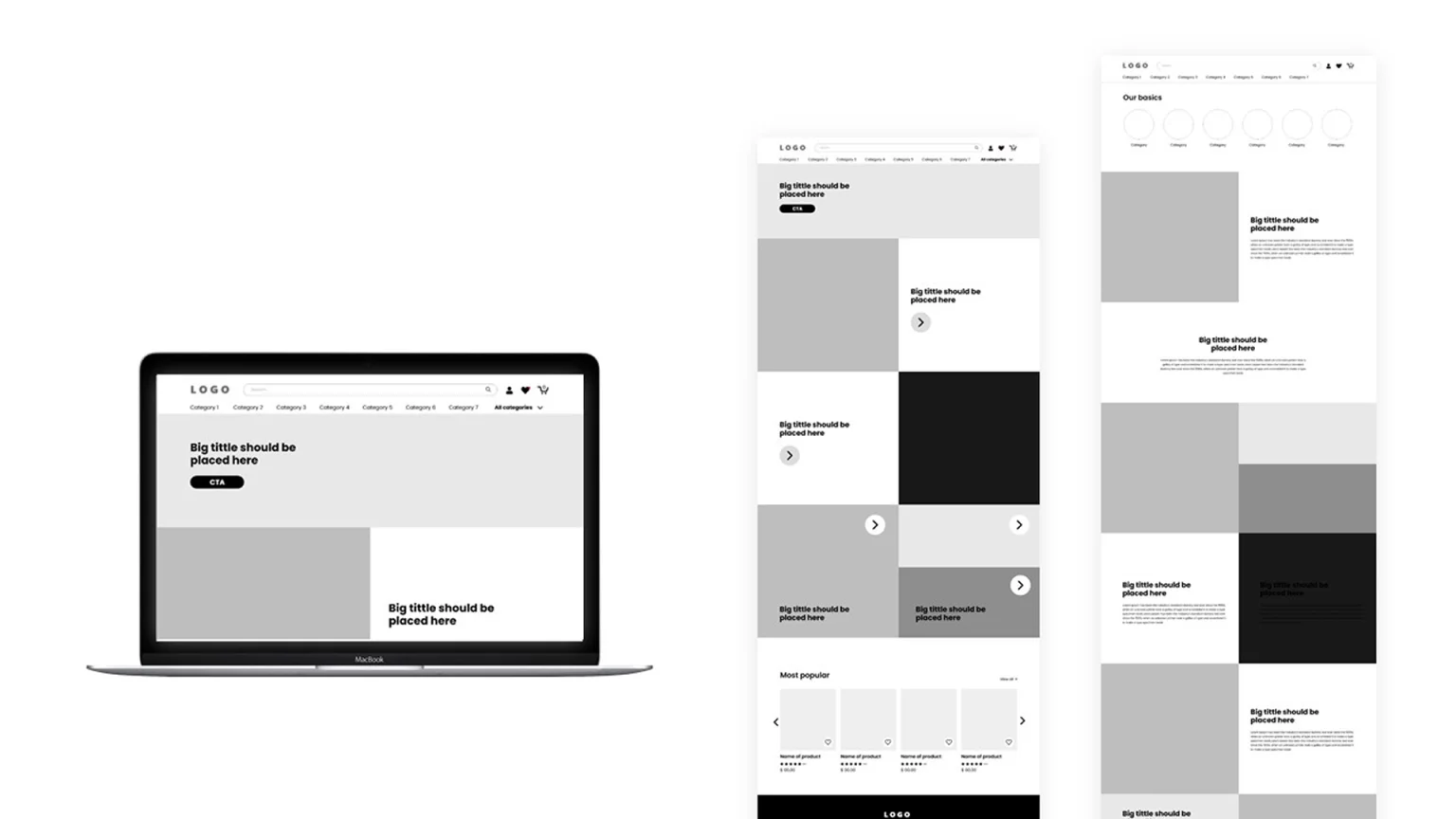
Design students plateau when course theory doesn't translate to real-world product standards or hiring expectations.
Mentor student designers through hands-on feedback, critique their work, and support their professional development within Brainster's UX/UI Academy program.
Design students often struggle to connect theory with practice, especially when transitioning from coursework to real-world design thinking. Many learners had strong technical fundamentals but needed guided feedback to refine their work, build confidence, and understand professional expectations. Effective mentorship required balancing constructive criticism with encouragement — without a structured framework, students plateau or lose confidence.
Instructor & Mentor — 1:1 critique-first model, portfolio review, career guidance calibrated to industry feedback.
350+ juniors mentored across cohorts. Many have moved into junior product design roles since 2021.
How I approached it, step by step.
I focused on building trust with each student and encouraging critical thinking. Reviewing design deliverables, conducting feedback sessions, and discussing UX principles 1:1 helped them sharpen skills and understand professional expectations.
We discussed UI patterns, usability considerations, flow improvements, and the rationale behind each design decision. Frameworks they could apply independently — not just notes on the current project.
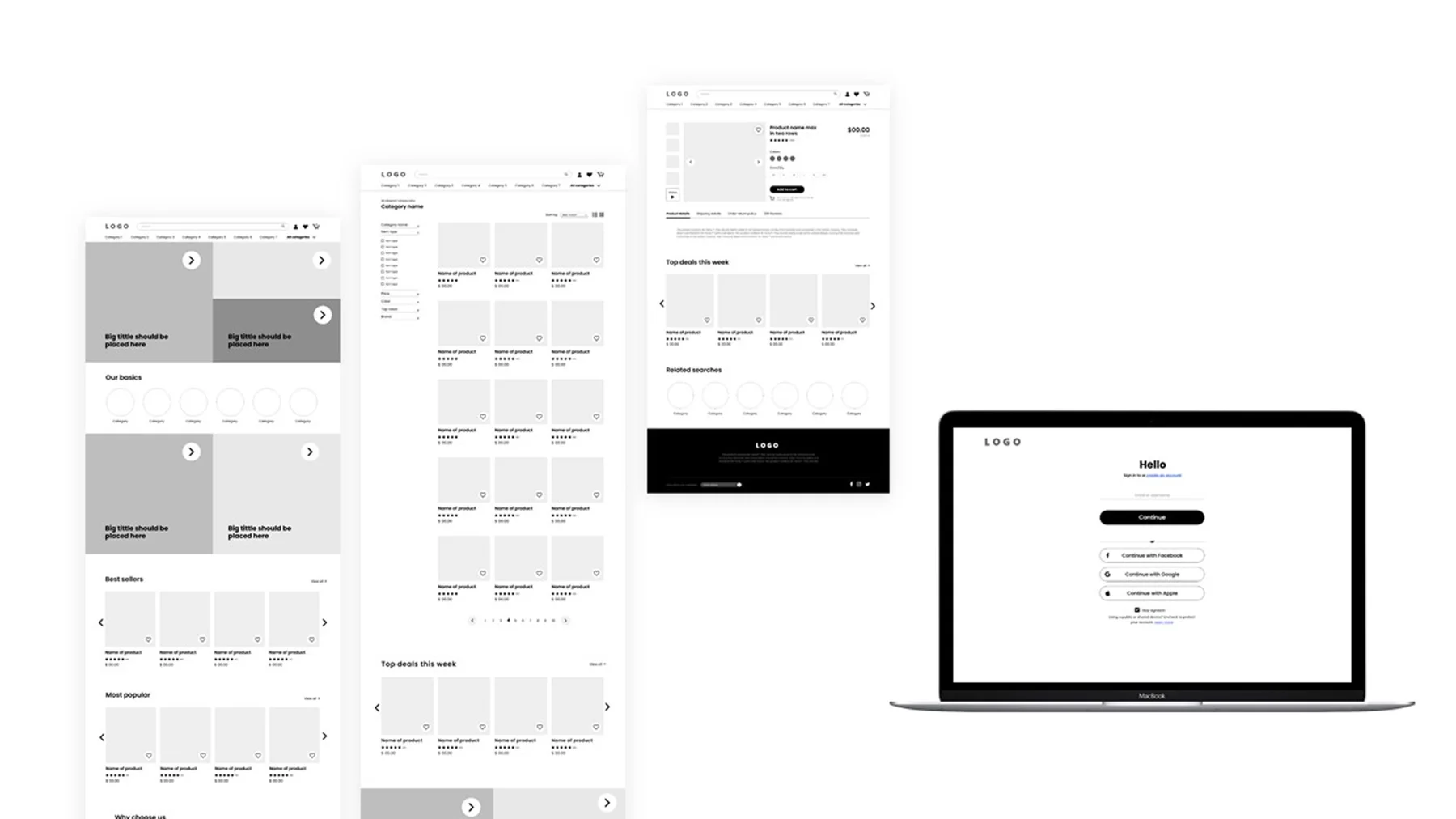
Regular guidance helped students improve their design output and build the confidence to present and defend their ideas — the difference between a portfolio page and a portfolio interview.
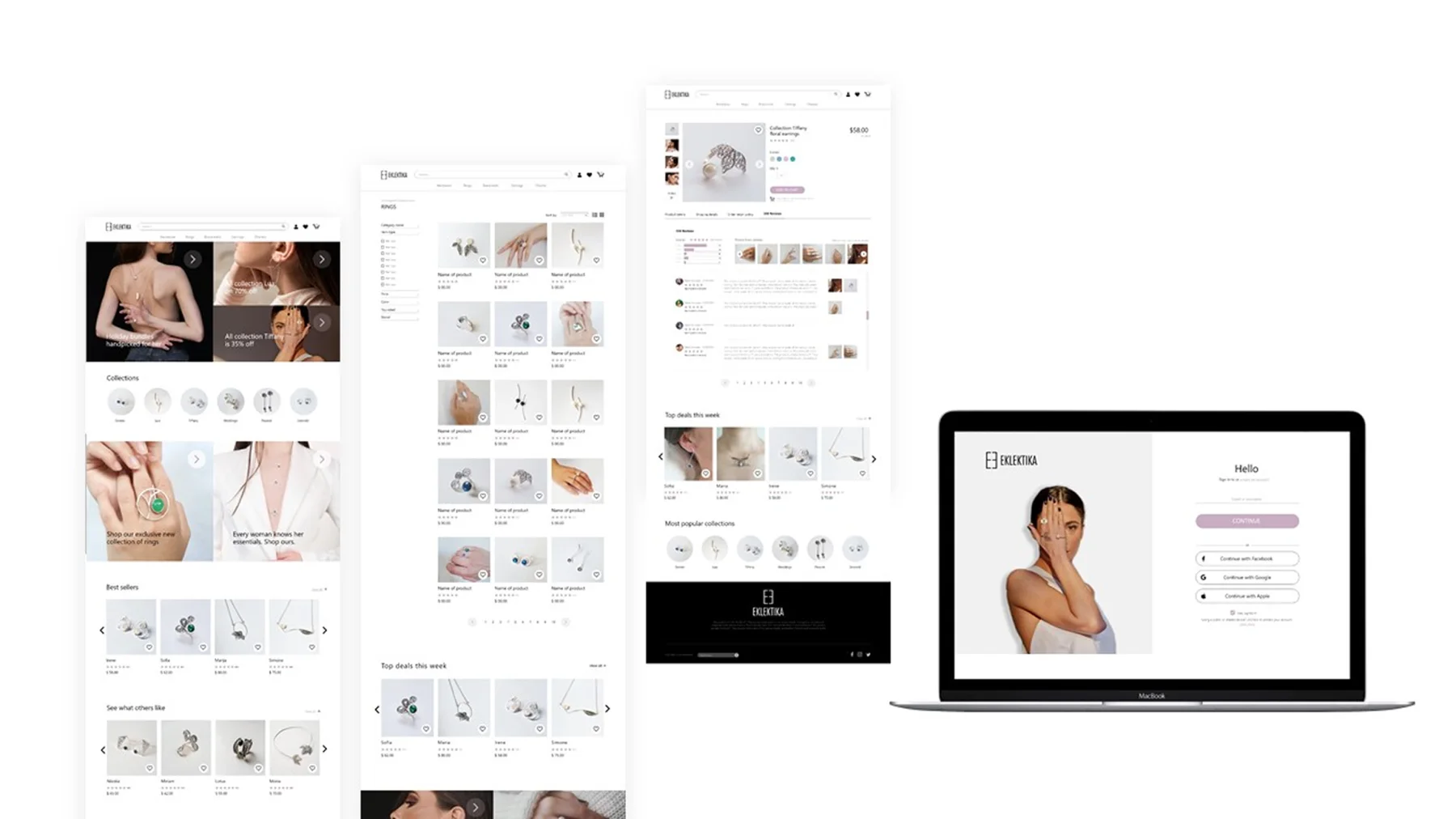
Stronger portfolios, clearer understanding of industry expectations, and a smoother runway into entry-level and junior UX/UI roles.
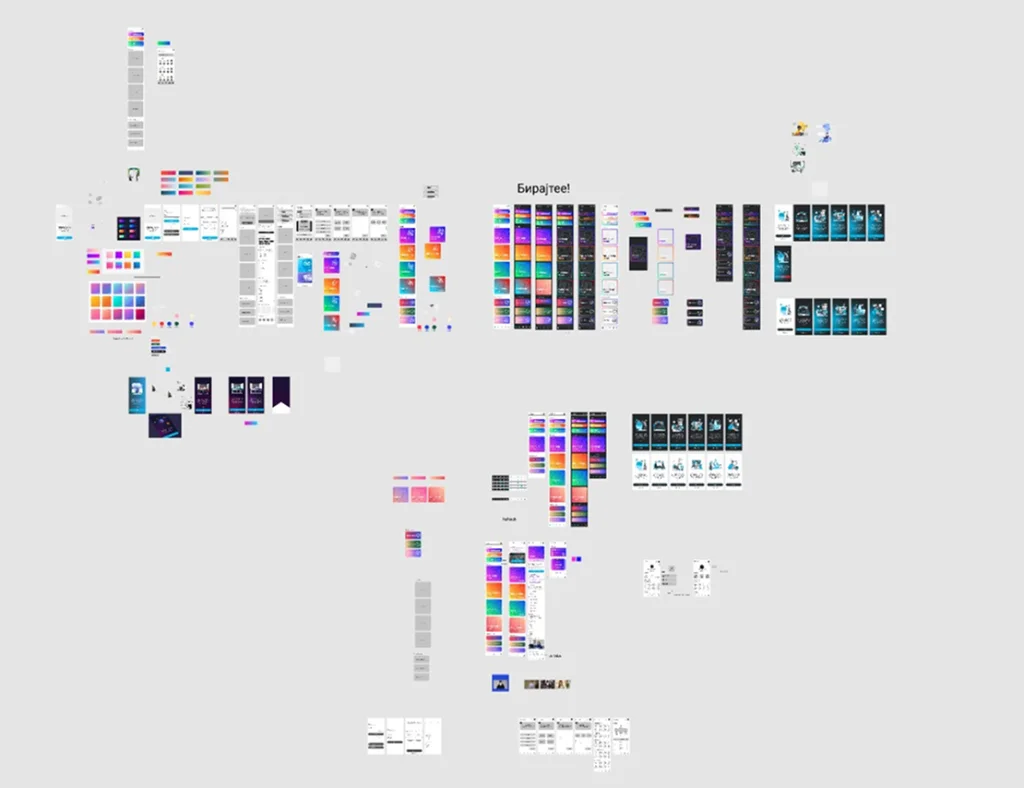
Every design is a set of choices. These were the big ones.
The options I weighed, and why I chose what I did.
The shipped screens, and what changed.
A closer look at the final design.
Hundreds of students mentored across cohorts. Many have moved into junior product design roles, and the program continues to evolve as the industry's expectations shift. The mentorship process clarified design principles, improved visual consistency, and strengthened the rationale behind each student's work.
Mentoring sharpens my own design thinking. Having to articulate WHY a decision is right (or wrong) for someone else's work clarifies frameworks I'd otherwise apply on autopilot. It's also kept me honest about how the industry has shifted — junior expectations in 2026 are very different from 2021, and the feedback has to evolve with them. Best 'side project' decision I've made.
“Martin played a key role in raising the quality of our UX/UI programs at Brainster. As an instructor and mentor, he consistently demonstrated deep product thinking, clear communication, and a strong ability to guide students toward real-world design standards. His feedback was always practical, structured, and aligned with industry expectations.”